
.png)
When “I’m Fine” Doesn’t Tell the Whole Story

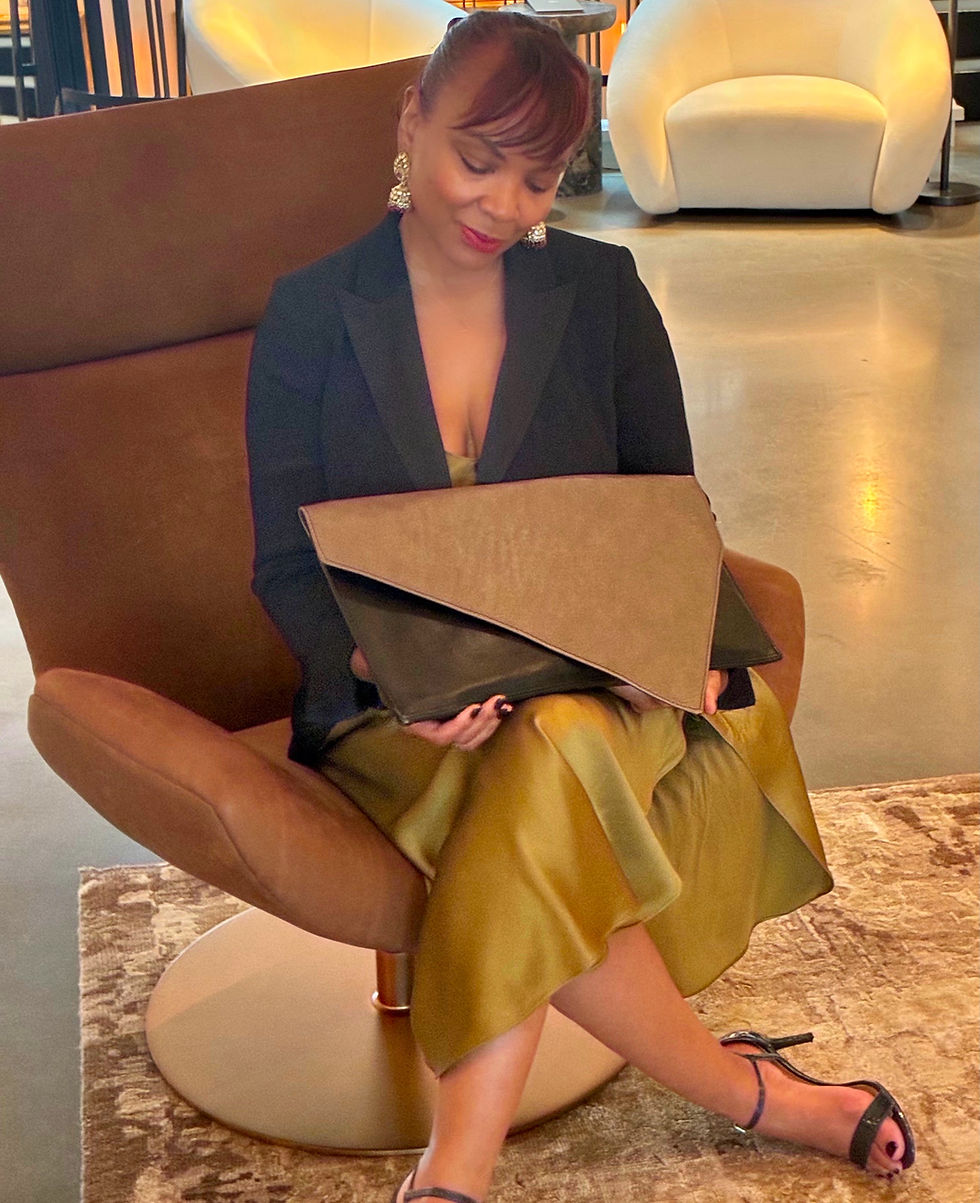
Someone asks how you are, and the answer arrives almost before you have considered the question.
“I’m fine.”
Sometimes you are.
Sometimes you are tired, grieving, worried or trying to get through a day that requires more than you have available. But explaining all of that takes time. And when people are accustomed to seeing you as capable, you may wonder how much of the answer they really want to hear.
I have been thinking about this lately.
Earlier this month, I brought women together for The Midlife Reset Summit. There was so much to organize, discuss and share. Now, alongside the work and plans for what comes next, I am grieving the loss of a dear friend whose presence reaches back through many years of my life.
I am experiencing pride and sadness together. I can have a productive conversation and still feel the loss when it ends.
It has made my own approach to wellness feel especially personal.
October is Menopause Awareness Month. And yes we need the conversations about disrupted sleep, hot flashes, mood changes, sexual health and access to appropriate care. Women deserve to understand what is happening in their bodies and to have their concerns taken seriously. We also deserve time to explain what else is happening.
At this stage of life, an appointment may take place between a work deadline and a parent’s medical visit. A sleepless night may coincide with grief or financial worry. A woman may be navigating physical changes while wondering what she wants from her marriage, her career or the years ahead. Those details matter. Understanding the whole picture can help her and her care team decide what needs attention.
Yet many of us have become very practiced at keeping things moving. We answer the email, make the appointment, remember the birthday and show up looking like ourselves. Other people see the result. They may never see the effort it took to get there.

After years in image consulting, I know how much appearance can communicate. I also know its limits. A beautiful outfit cannot tell you whether someone slept, whether she is hurting or whether she could use a little help.
This is why wellness for me includes how we feel, how we live and how we are supported. It includes the freedom to say, “I’m having a difficult week,” even when we are still accomplishing things.
Support can be practical and ordinary. Someone takes a responsibility off your plate. A clinician gives you room to finish describing a concern. A friend calls and stays long enough to hear the answer.
We can begin by giving ourselves that same attention.
Before saying “I’m fine,” perhaps we pause long enough to notice what is true. We don’t have to share every detail with everyone. But we can choose someone with whom we can be honest, and we can ask for something specific.
For me, this week, that means allowing room for grief alongside everything else.
For you, it may mean seeking care, asking for help or admitting that you need a quieter day.
What would your answer be if you knew you didn’t have to make it sound reassuring? The next time someone asks how you are, give yourself a moment before answering. You may be grateful, hopeful, tired and grieving all in the same day.
You deserve room to tell the truth about that.
At Studio Midlife, I want us to make those conversations easier to have. Our health, identity, relationships and sense of purpose all belong here.
So I’ll ask again, with room for the real answer:
How are you, really?
With care,
Sonya


Comments