
.png)
Perimenopause Is Not the Problem. Not Understanding It Is.
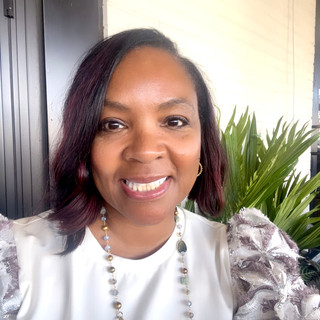

I recently watched The (M) Factor 2: Before the Pause, the PBS documentary focused on perimenopause, and I found myself feeling both validated for thework I do, and deeply concerned for my clients and the generation of women who are approaching this phase of life. Now granted,I had already seen The (M) Factor on menopause. But this hit different.
Perimenopause is not rare, nor is it new. It is however a significant part of everywoman's life.. And it does not suddenly begin the day menopause officially arrives. Hormonal shifts can begin in their late 30s or 40s, while building careers, raising families, supporting aging parents, managing relationships, and carrying the invisible weight women so often carry well. From the outside, many women still look “fine. ”But inside, something can begin to feel unfamiliar.
Sleep changes.
Anxiety appears out of nowhere.
Brain fog makes simple things harder.
Patience feels thinner.
Energy feels inconsistent.
The body begins responding differently. And the woman who once felt steady, sharp, and fully herself may quietly begin wondering:
"What is happening to me?"
What stayed with me most from the documentary was not just the discussion around symptoms.
It was the reality of how many women are dismissed when they finally say, “Something feels different.” Because perimenopause is not the problem.

The problem is how little women have been taught about it and how often women are expected to push through exhaustion, confusion, mood changes, sleep disruption, and emotional overwhelm.
And when no one explains what may be happening, women become frustrated
They question themselves.
Their competence.
Their emotions.
Their resilience. Even their identity.
But what if the real failure is not inside the woman at all? What if the failure is a culture and healthcare system that has not properly prepared women for this transition?
Why This Conversation Matters
One of the reasons The (M) Factor 2 felt so important to me is because it brings visibility to something women have navigated quietly for generations.
This is not simply a personal issue.
It is a women’s health issue.
A workplace issue.
A relationship issue.
A quality-of-life issue.
And for many women, it becomes a self-trust issue.
When women are repeatedly dismissed, they may stop trusting what their own bodies are trying to tell them. They minimize symptoms. They apologize for struggling. They continue performing at high levels while silently wondering why everything suddenly feels harder. But pushing through is not the same as being well.
"Silence is not the same as strength."
A Conversation That Included Men
Another part of The (M) Factor 2 that stayed with me was seeing a group of African American men openly talking about the impact perimenopause and menopause had on their relationships and their wives. My mouth was gaped!
There was something deeply meaningful about watching men listen, learn, and speak with compassion about a transition many women have historically been expected to navigate quietly and alone.
Their willingness to understand rather than dismiss mattered.
Because support matters.
Partnership matters.

And honest conversations inside marriages, families, and relationships matter too.
For many women, especially Black women who have often carried the expectation of being strong no matter what they are experiencing, being seen and supported during this season can make an enormous difference.
We do not talk enough about how menopause affects relationships.
How misunderstanding can create distance. How education can create empathy. And how feeling emotionally supported can change the way a woman experiences this transition altogether.
That moment in the documentary reminded me that this conversation is not just for women. It is for anyone who loves them.
If you are in this season and wondering what is happening to you, please hear me clearly:
You are not weak.
You are not overreacting.
And you are not failing.
Your body is moving through a very real biological transition that deserves understanding, support, and informed care.
And if you love a woman in this season, your willingness to listen and learn matters more than you realize. You do not need to have every answer. But you can stop dismissing what you do not yet understand.
Perimenopause is not the problem.
Not understanding it is.
And the more openly we talk about it, the less alone women have to feel while moving through it.
If this resonated with you, share it with a woman who may need the reminder that she is not imagining what she feels.
To Our Extraordinary Midlife,
Sonya
This article is for educational and reflective purposes only and is not intended to replace individualized medical advice. Please consult a qualified healthcare professional regarding symptoms or treatment options.



Comments